
Description
-
Model List:
- E16C
- E16CH
- E16P
- E16PH
- E20PH Production site Xiamen
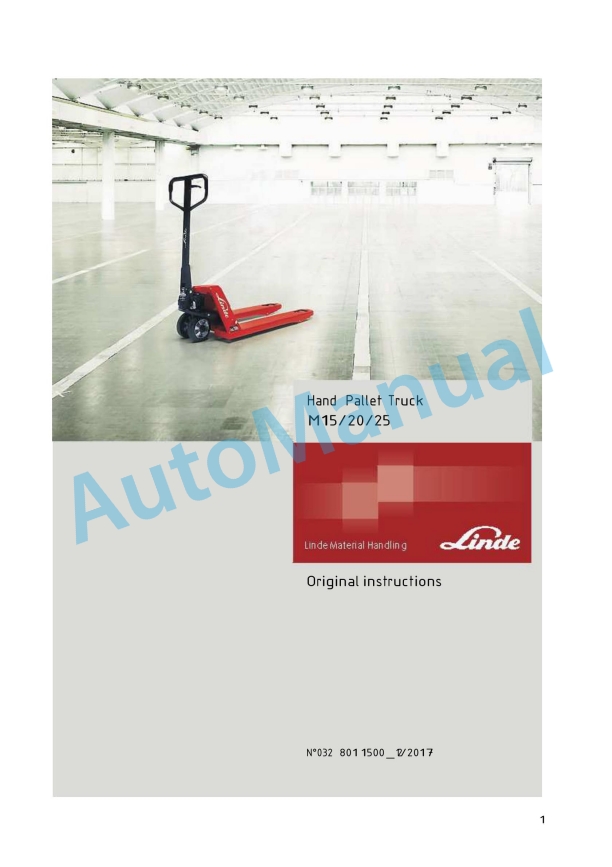
- 1. Electric Forklift TruckE16C, E16CH, E16P, E16PH, E20PH
- 1.1. Table of content
- 1.2. Introduction
- 1.2.1. Introduction
- 1.2.2. Intended use
- 1.2.3. Impermissible use
- 1.2.4. Description of use and climatic conditions
- 1.2.5. Symbols used
- 1.2.6. Technical description
- 1.2.7. Legal requirements for marketing
- 1.3. Safety
- 1.3.1. Safety guidelines
- 1.3.2. Residual risks
- 1.3.3. Noise level
- 1.3.4. Frequency characteristic for vibrations imparted to the human body
- 1.3.5. Competent person
- 1.3.6. Stability
- 1.3.7. Handling consumables
- 1.3.8. EMC Electromagnetic compatibility
- 1.3.9. In the case of tipover
- 1.3.10. Regulations
- 1.3.11. Fitting attachments
- 1.3.12. Emergency exit from cab with rear window
- 1.3.13. Manually lowering the forks
- 1.4. Overview
- 1.4.1. Forklift truck identification plate
- 1.4.2. Warning labels
- 1.4.3. General view
- 1.4.4. Controller
- 1.4.5. Controller EMEA option
- 1.4.6. Display unit
- 1.4.7. Switch panel
- 1.5. Operation
- 1.5.1. Service plan before initial commissioning
- 1.5.2. Instructions for runningin
- 1.5.3. Preshift checks
- 1.5.4. Daily inspection items
- 1.5.5. Mounting.dismounting
- 1.5.6. Seat belt status and performance checks
- 1.5.7. Horn operation
- 1.5.8. Adjusting the steering column
- 1.5.9. Emergency off switch
- 1.5.10. Setting the display unit
- 1.5.11. Switching the truck on and off
- 1.5.12. Driving (dual pedal operation)
- 1.5.13. Driving (single pedal operation)
- 1.5.14. Steering system
- 1.5.15. Brake system
- 1.5.16. Operating the lift mast and attachments using the centralised control lever (joystick)
- 1.5.17. Single lever operation of the lift mast and attachments
- 1.5.18. Transporting loads
- 1.5.19. Truck transport
- 1.5.20. Disposal of old trucks
- 1.6. Maintenance
- 1.6.1. Safety information for inspection and maintenance work
- 1.6.2. Inspection and maintenance data
- 1.6.3. Recommended fuels and oils
- 1.6.4. Service plan
- 1.6.5. Cleaning the truck
- 1.6.6. Transmission system
- 1.6.7. Steering axle and wheels
- 1.6.8. Chassis
- 1.6.9. Control system
- 1.6.10. Electrical system
- 1.6.11. Hydraulics
- 1.6.12. Load lifting system
- 1.6.13. Special equipment
- 1.7. Technical datasheet
- 1.7.1. Technical datasheet
- 1.7.2. E16C.E16CH Technical datasheet
- 1.7.3. E16P.E16PH Technical datasheet
- 1.7.4. E20PH Technical datasheet
- 1.7.5. Ecodesign requirements for electric motors and variable speed drives
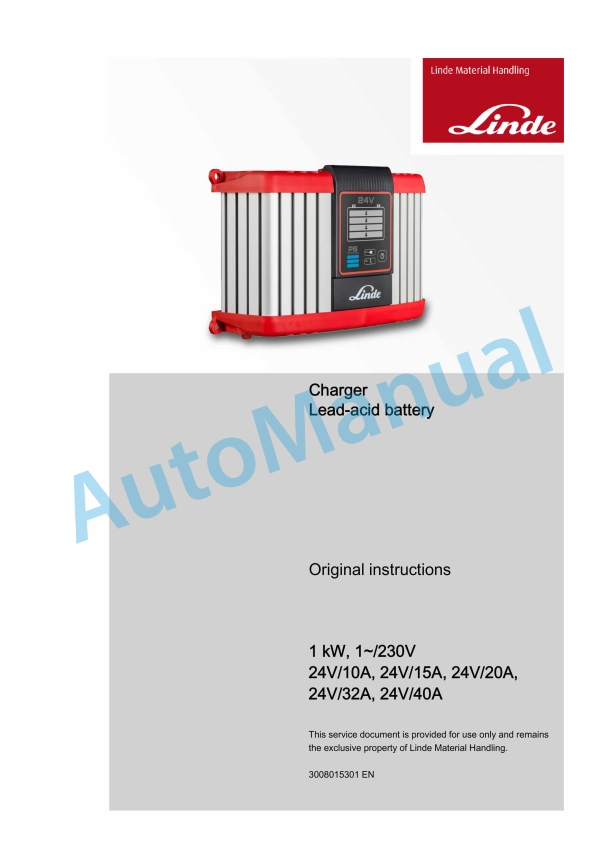
- 2. Leadacid battery charger 24V . 48V
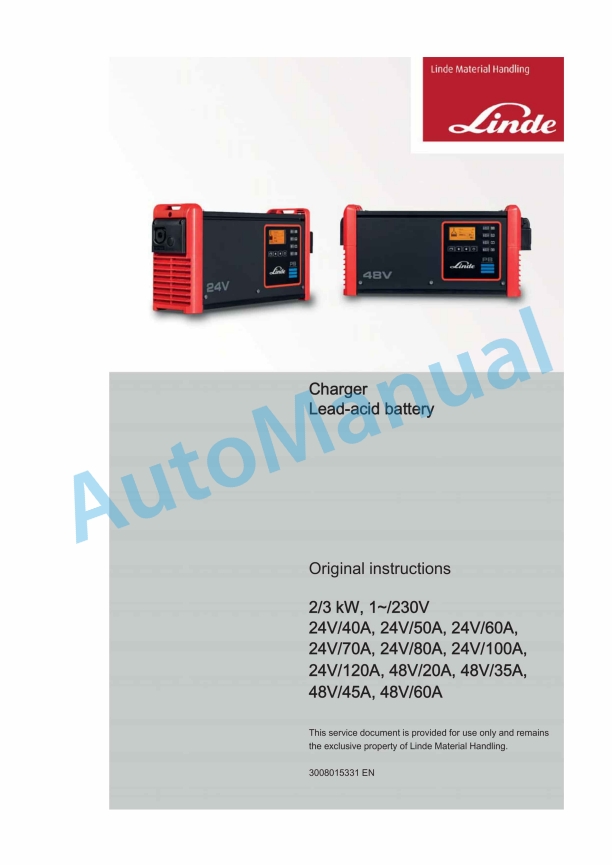
- 3. Leadacid battery charger 24V . 48V . 80V
- 4. Lithiumion batteries
- 4.1. Table of content
- 4.2. Foreword
- 4.2.1. Intended use
- 4.2.2. Dangerous incorrect use
- 4.2.3. Explanation of signs and symbols
- 4.2.4. User qualifications
- 4.2.5. Danger area
- 4.2.6. Ambient conditions
- 4.2.7. Identifying the battery
- 4.3. Safety
- 4.3.1. Battery management system and safety
- 4.3.2. Information in the event of emergency
- 4.4. Overviews
- 4.4.1. Battery group 1
- 4.4.2. Battery group 2
- 4.4.3. Battery group 3
- 4.4.4. Battery group 4
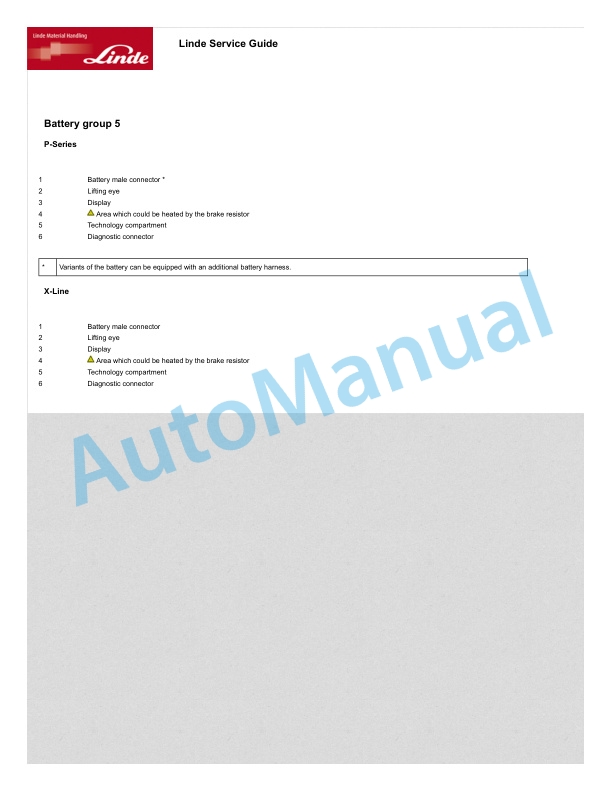
- 4.4.5. Battery group 5
- 4.4.6. Battery group 6
- 4.4.7. Battery group 7
- 4.4.8. Battery group 8
- 4.4.9. Battery group 9
- 4.4.10. Battery group 10
- 4.4.11. Battery group 11
- 4.4.12. Battery group 13
- 4.4.13. Battery group 14
- 4.4.14. Battery group 15
- 4.5. Operation
- 4.5.1. Safety information
- 4.5.2. Switching on the battery
- 4.5.3. Charging the battery
- 4.5.4. Correcting battery faults
- 4.5.5. Transporting the lithiumion battery
- 4.6. Maintenance
- 4.6.1. Maintaining the battery
- 4.6.2. Cleaning the battery
- 4.6.3. Transporting and storing the battery on company premises
- 4.7. Technical data
- 4.7.1. Datasheet for lithiumion batteries
- 4.7.2. Temperature ranges for lithiumion batteries
- 5. Lithiumion batteryWNE, WEB Lithium BatteryWNE lithiumion battery
- 5.1. Table of content
- 5.2. Overview
- 5.2.1. Purpose of use
- 5.2.2. Lithium battery product series
- 5.2.3. Scope of use
- 5.2.4. Target personnel
- 5.2.5. Environmental protection
- 5.3. Safety
- 5.3.1. Safety philosophy
- 5.3.2. Customer obligations
- 5.3.3. Personnel qualification requirements
- 5.3.4. General safety requirements
- 5.3.5. Responding to emergencies
- 5.3.6. Explanation of technical terms
- 5.4. General view
- 5.4.1. Product appearance
- 5.5. Operating instructions
- 5.5.1. Operating instructions
- 5.5.2. Safety matters and precautions
- 5.5.3. Battery temperature properties
- 5.5.4. Battery system transportation requirements
- 5.5.5. Predriving inspection
- 5.5.6. Requirements for vehicles in normal operation
- 5.5.7. Requirements for vehicles in longterm storage
- 5.5.8. Procedure for the user to connect and disconnect electricity for discharge
- 5.5.9. User charging procedure and precautions
- 5.5.10. Lithium battery replacement
- 5.5.11. Description of display unit screens
- 5.5.12. Differences between integrated and nonintegrated product malfunction displays
- 5.6. Maintenance
- 5.6.1. Battery maintenance operations
- 5.6.2. Regular inspection requirements
- 5.7. Warranty description
- 5.7.1. Quality assurance and warranty period
- 5.7.2. Scope of quality assurance and warranty responsibility exemptions


There are no reviews yet.