

Description
-
Model List:
- 2.5, 3.0, 3.5 Teletruk
- 1. Safety Notices
- 2. Important Information …………………………………………………………………………1
- 3. The Operator Manual …………………………………………………………………….1
- 4. Safety Warnings ……………………………………………………………………………1
- 5. Introduction
- 6. About This Manual ……………………………………………………………………………..3
- 7. Machine Model and Serial Number ………………………………………………….3
- 8. Using this Manual ………………………………………………………………………….3
- 9. Left Side, Right Side ………………………………………………………………………3
- 10. Cab-Canopy …………………………………………………………………………………3
- 11. Cross References ………………………………………………………………………….3
- 12. Differential Lock Selection (3.5D 4×4 Only) ……………………………………….3
- 13. Location of Manual ………………………………………………………………………..5
- 14. Machine Description …………………………………………………………………………..7
- 15. The JCB Teletruk …………………………………………………………………………..7
- 16. Special Features ……………………………………………………………………………7
- 17. 3.0D 4×4 and 3.5D 4×4 …………………………………………………………………..7
- 18. Intended Use ………………………………………………………………………………..7
- 19. Component List …………………………………………………………………………….8
- 20. Safety Check List ……………………………………………………………………………….9
- 21. Safety – Yours and Others ………………………………………………………………9
- 22. General Safety ……………………………………………………………………………..9
- 23. Operating Safety ………………………………………………………………………… 11
- 24. Maintenance Safety ……………………………………………………………………..15
- 25. Safety Labels …………………………………………………………………………………..20
- 26. Introduction …………………………………………………………………………………20
- 27. Safety Label Identification …………………………………………………………….21
- 28. Identifying Your Machine …………………………………………………………………..23
- 29. Machine Identification Plate ………………………………………………………….23
- 30. Unit Identification …………………………………………………………………………23
- 31. Component Identification Plates …………………………………………………….24
- 32. ROPS-FOPS Certification plate ……………………………………………………..25
- 33. Machine Security ……………………………………………………………………………..26
- 34. Introduction …………………………………………………………………………………26
- 35. JCB Plantguard …………………………………………………………………………..26
- 36. Construction Equipment Security And Registration Scheme (CESAR) .26
- 37. Operation
- 38. Introduction ……………………………………………………………………………………..27
- 39. Before Entering the Cab ……………………………………………………………………28
- 40. Entering and Leaving the Cab ……………………………………………………………29
- 41. Entering the Cab …………………………………………………………………………29
- 42. Leaving the Cab ………………………………………………………………………….29
- 43. Emergency Exit ……………………………………………………………………………….30
- 44. Cab with Rear Screen Opening ……………………………………………………..30
- 45. Seat Controls …………………………………………………………………………………..31
- 46. Introduction …………………………………………………………………………………31
- 47. Adjustment …………………………………………………………………………………31
- 48. Seat Belt …………………………………………………………………………………………32
- 49. Inertia Reel Seat Belt …………………………………………………………………..32
- 50. Cab Layout ……………………………………………………………………………………..33
- 51. Component Key …………………………………………………………………………..33
- 52. Drive Controls, Switches and Instruments ……………………………………………34
- 53. Drive Controls ……………………………………………………………………………..34
- 54. Switches …………………………………………………………………………………….37
- 55. Instruments …………………………………………………………………………………42
- 56. Operating Levers ……………………………………………………………………………..44
- 57. Introduction …………………………………………………………………………………44
- 58. Control Layouts …………………………………………………………………………..44
- 59. Boom and Carriage Controls …………………………………………………………45
- 60. Auxiliary Controls ………………………………………………………………………..49
- 61. Safety Equipment …………………………………………………………………………….51
- 62. Longitudinal Load Moment Indicator (LLMI) (If fitted) ………………………..51
- 63. Longitudinal Load Moment Indicator With Longitudinal Load Motion Control
- 64. (If fitted) ……………………………………………………………………………………..54
- 65. Rated Payload Lifting Capacity ……………………………………………………..59
- 66. Fire Extinguisher (If Fitted) ……………………………………………………………60
- 67. Before Starting the Engine …………………………………………………………………61
- 68. Starting the Engine …………………………………………………………………………..63
- 69. 4-Wheel Drive Selection (3.5D 4×4 Machine) ………………………………….63
- 70. Preparing the Machine for Travel ……………………………………………………….64
- 71. Preparing for Site Travel ……………………………………………………………….64
- 72. Getting the Machine Moving ………………………………………………………………65
- 73. Operating Practices ……………………………………………………………………..65
- 74. Operating Procedure ……………………………………………………………………66
- 75. Stopping and Parking the Machine ……………………………………………………..67
- 76. Working with the Machine …………………………………………………………………68
- 77. Operating Practices and Site Safety ………………………………………………68
- 78. Clothing and Safety Equipment ……………………………………………………..68
- 79. Danger Zone ………………………………………………………………………………68
- 80. Log Moving-Handling ……………………………………………………………………68
- 81. Working with the Boom ………………………………………………………………..69
- 82. Safety Warnings ………………………………………………………………………….72
- 83. Operating Safety …………………………………………………………………………74
- 84. Driving Techniques ………………………………………………………………………75
- 85. Rollover ……………………………………………………………………………………..77
- 86. Basic Loading Techniques …………………………………………………………….77
- 87. Operating Environment ……………………………………………………………………..84
- 88. Operating in Low Temperatures …………………………………………………….84
- 89. Operating in High Temperatures ……………………………………………………84
- 90. Operating in Dusty or Sandy Areas ………………………………………………..84
- 91. Operating in Coastal Regions ……………………………………………………….84
- 92. Operating on Wet or Soft Ground …………………………………………………..84
- 93. Refuelling the Machine ……………………………………………………………………..85
- 94. Low Fuel Levels ………………………………………………………………………….85
- 95. Filling the Tank ……………………………………………………………………………85
- 96. Moving a Disabled Machine ………………………………………………………………87
- 97. Towing and Retrieval ……………………………………………………………………87
- 98. Recovery Hitch ……………………………………………………………………………88
- 99. Transporting the Machine ………………………………………………………………….89
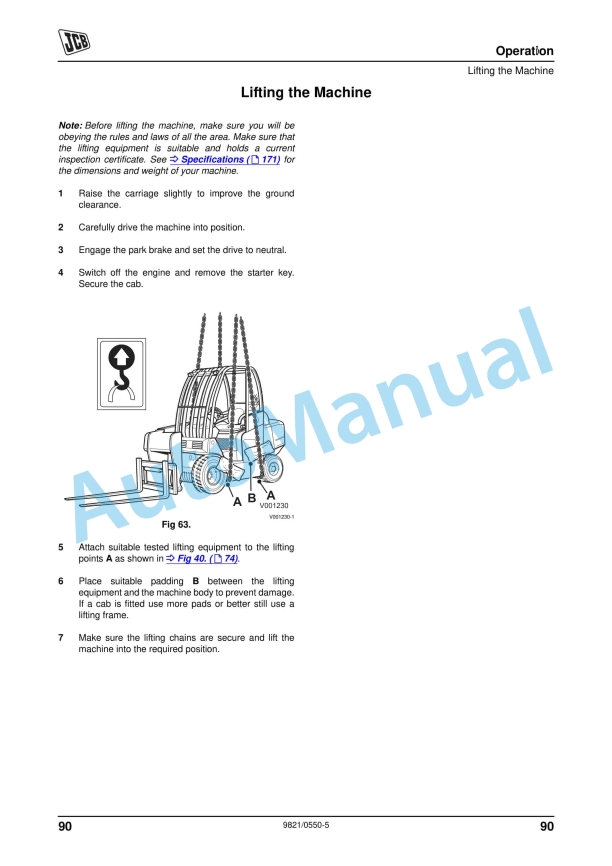
- 100. Lifting the Machine …………………………………………………………………………..90
- 101. Jacking Points …………………………………………………………………………………91
- 102. Raising the Teletruk ……………………………………………………………………..91
- 103. Lowering the Teletruk …………………………………………………………………..91
- 104. Storage of the Machine …………………………………………………………………….92
- 105. Introduction …………………………………………………………………………………92
- 106. Storage Area ………………………………………………………………………………92
- 107. Prepare the Machine for Storage …………………………………………………..92
- 108. Put the Machine into Storage ………………………………………………………..92
- 109. During Storage ……………………………………………………………………………92
- 110. Take the Machine Out of Storage …………………………………………………..93
- 111. Routine Maintenance
- 112. Service Requirements ………………………………………………………………………95
- 113. Introduction …………………………………………………………………………………95
- 114. Owner-Operator Support ………………………………………………………………95
- 115. Service-Maintenance Agreements …………………………………………………95
- 116. Fit for Purpose Tests for Lifting Equipment ………………………………………95
- 117. Obtaining Replacement Parts ………………………………………………………..96
- 118. Health and Safety …………………………………………………………………………….97
- 119. Lubricants …………………………………………………………………………………..97
- 120. Battery ……………………………………………………………………………………….99
- 121. Service Schedules ………………………………………………………………………….101
- 122. Introduction ……………………………………………………………………………….101
- 123. How to Use the Service Schedules ………………………………………………101
- 124. Calendar Equivalents …………………………………………………………………101
- 125. Pre-start Cold Checks, Service Points and Fluid Levels ………………….102
- 126. Functional Test and Final Inspection …………………………………………….104
- 127. Fluids, Lubricants and Capacities ……………………………………………………..105
- 128. Coolant Mixtures ……………………………………………………………………….106
- 129. Fuels ………………………………………………………………………………………..107
- 130. Prepare the Machine for Maintenance ……………………………………………… 110
- 131. Introduction ………………………………………………………………………………. 110
- 132. How to Make the Machine Safe (Boom Lowered) ………………………….. 111
- 133. Cleaning the Machine …………………………………………………………………….. 112
- 134. Introduction ………………………………………………………………………………. 112
- 135. Preparing the Machine for Cleaning …………………………………………….. 112
- 136. Cleaning the Machine ………………………………………………………………… 113
- 137. Checking For Damage ……………………………………………………………………. 114
- 138. Check the Machine Body and Structure ……………………………………….. 114
- 139. Check the Tyres ……………………………………………………………………….. 114
- 140. Check the Seat and Seat Belt …………………………………………………….. 114
- 141. Check the Hydraulic Hoses and Fittings ………………………………………. 114
- 142. Check the Electrical Circuits ……………………………………………………….. 115
- 143. Checking the ROPS-FOPS Structure …………………………………………… 115
- 144. Greasing ………………………………………………………………………………………. 116
- 145. Introduction ………………………………………………………………………………. 116
- 146. Preparing the Machine for Greasing ……………………………………………. 116
- 147. Carriage …………………………………………………………………………………… 117
- 148. Boom ………………………………………………………………………………………. 117
- 149. Rear Axle …………………………………………………………………………………. 117
- 150. Sideshift Option ………………………………………………………………………… 118
- 151. Inner Boom ………………………………………………………………………………. 118
- 152. Access Panels ………………………………………………………………………………. 119
- 153. Introduction ………………………………………………………………………………. 119
- 154. Operator's Enclosure-Cab ………………………………………………………….. 119
- 155. Daily Inspection Cover ……………………………………………………………….120
- 156. Front Cover ………………………………………………………………………………121
- 157. Daily Inspection Rear Cover ………………………………………………………..121
- 158. Belly Plate (4WD Machines) ………………………………………………………..122
- 159. Optional Trash Guard …………………………………………………………………122
- 160. Brakes ………………………………………………………………………………………….123
- 161. Park Brake ………………………………………………………………………………..123
- 162. Electrical System ……………………………………………………………………………124
- 163. Battery ……………………………………………………………………………………..124
- 164. Jump Starting the Engine ……………………………………………………………126
- 165. Fuses ……………………………………………………………………………………….127
- 166. Relays ……………………………………………………………………………………..131
- 167. Bulbs ……………………………………………………………………………………….133
- 168. Engine ………………………………………………………………………………………….134
- 169. Oil and Filter ……………………………………………………………………………..134
- 170. Cooling System …………………………………………………………………………136
- 171. Fan Belt (Perkins) ………………………………………………………………………137
- 172. Alternator Drive Belt (Deutz 2011-L04W) ………………………………………138
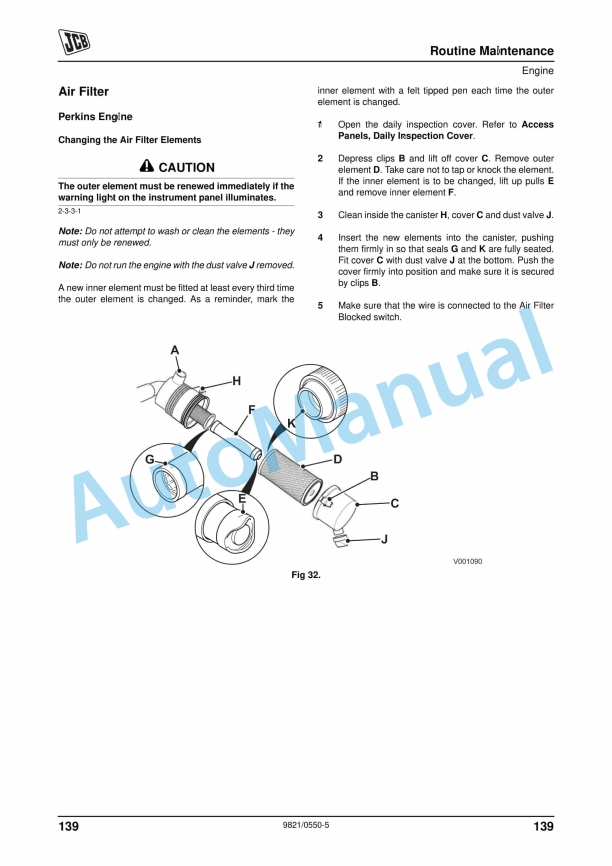
- 173. Air Filter ……………………………………………………………………………………139
- 174. Diesel Fuel System …………………………………………………………………………141
- 175. Introduction ……………………………………………………………………………….141
- 176. Water Separator and Engine Fuel Filter ………………………………………..142
- 177. Bleeding the System ………………………………………………………………….145
- 178. LPG Fuel System …………………………………………………………………………..146
- 179. Introduction ……………………………………………………………………………….146
- 180. Type of LPG ……………………………………………………………………………..147
- 181. Filling the LPG Tank …………………………………………………………………..147
- 182. Changing the LPG Tank ……………………………………………………………..147
- 183. Hydraulic System ……………………………………………………………………………148
- 184. Introduction ……………………………………………………………………………….148
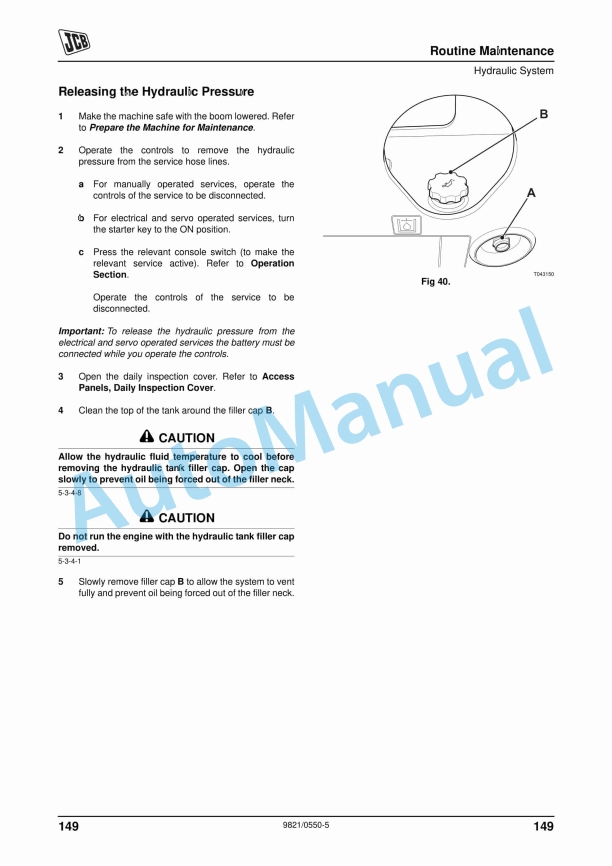
- 185. Releasing the Hydraulic Pressure ………………………………………………..149
- 186. Checking the Fluid Level …………………………………………………………….150
- 187. Checking for Leaks …………………………………………………………………….150
- 188. Changing the Filter Element ………………………………………………………..151
- 189. Tyres and Wheels …………………………………………………………………………..152
- 190. General …………………………………………………………………………………….152
- 191. Tyre Inflation ……………………………………………………………………………..153
- 192. Changing a Wheel ……………………………………………………………………..154
- 193. Forks ……………………………………………………………………………………………156
- 194. Inspecting the Forks …………………………………………………………………..156
- 195. Changing-Repositioning the Forks ……………………………………………….156
- 196. Windscreen Washer ……………………………………………………………………….158
- 197. Checking the Level …………………………………………………………………….158
- 198. Fire Extinguisher (if fitted) ………………………………………………………………..159
- 199. Checking the Fire Extinguisher ……………………………………………………159
- 200. Optional Attachments
- 201. Introduction ……………………………………………………………………………………161
- 202. Connecting-Disconnecting Hydraulic Hoses ……………………………………….162
- 203. Introduction ……………………………………………………………………………….162
- 204. Connecting the Hydraulic Hoses ………………………………………………….162
- 205. Disconnecting the Hydraulic Hoses ………………………………………………163
- 206. Quick Release Couplings ……………………………………………………………164
- 207. Shovel-Attachments ………………………………………………………………………..166
- 208. Engaging the Shovel-Attachments ……………………………………………….166
- 209. Disengaging the Shovel-Attachments ……………………………………………166
- 210. Changezee Quickhitch ……………………………………………………………………168
- 211. Installing Changezee Quickhitch Attachments ……………………………….168
- 212. Removing Changezee Quickhitch Attachments ……………………………..169
- 213. Work Platforms ………………………………………………………………………………170
- 214. Specifications
- 215. Static Dimensions …………………………………………………………………………..171
- 216. Noise Data …………………………………………………………………………………….172
- 217. Introduction ……………………………………………………………………………….172
- 218. All Machines ……………………………………………………………………………..172
- 219. Vibration Data ………………………………………………………………………………..173
- 220. Introduction ……………………………………………………………………………….173
- 221. Teletruk 4 x 2 …………………………………………………………………………….174
- 222. Teletruk 4 x 4 …………………………………………………………………………….175
- 223. Attachments Data …………………………………………………………………………..176
- 224. Tyre Sizes and Pressures ………………………………………………………………..177
- 225. Introduction ……………………………………………………………………………….177
- 226. Specifications ……………………………………………………………………………178
- 227. Travel Speed …………………………………………………………………………………180
- 228. European Community Standards
- 229. EC Declaration of Conformity …………………………………………………………..181
- 230. Introduction ……………………………………………………………………………….181
- 231. Explanation of the EC Declaration of Conformity ……………………………183
- 232. Warranty
- 233. Machine Service Record Sheet ………………………………………………………..185
- 234. Registration Information ………………………………………………………………….187







There are no reviews yet.